
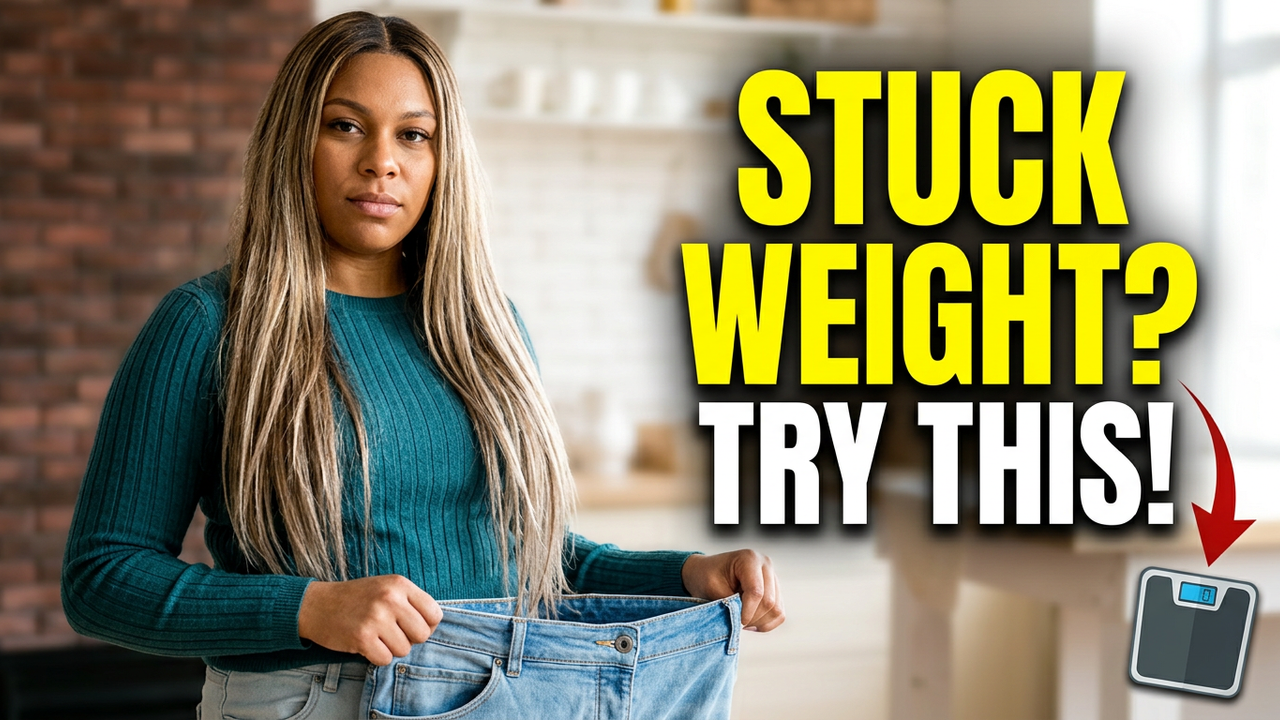
Stuck Weight & Low Energy After 40? Why Drinking More Water Fails (Do THIS Instead)
Drinking water, watching what you eat, and trying to stay active—but the scale barely moves and you’re still exhausted? Let’s talk about what may be happening and what can actually help.
Let me ask you something.
Have you ever looked at the scale and wondered what in the world is going on?
You’re drinking water.
You’re trying to eat better.
You’re even passing up some of your favorite snacks.
But that weight?
It seems determined to stay right where it is.
And to make matters worse, you’re tired.
Not just “I need a quick nap” tired.
I’m talking about waking up exhausted, dragging through the afternoon, and wondering where all your energy went.
So you start drinking even more water because somebody online said hydration was the secret to weight loss.
But nothing much changes.
Here’s what you need to know: drinking enough water supports your health, but it isn’t a magic solution for stubborn weight or persistent fatigue.
1. Why Weight Management Can Feel Harder After 40
As we move through our 40s and beyond, several changes can influence body composition, appetite, activity, and energy.
For women, perimenopause and menopause may also play a role.
But hormones aren’t the only explanation.
Muscle Changes
Muscle mass can gradually decline with age, especially without regular resistance exercise.
Sleep Problems
Poor sleep can affect appetite regulation, daily energy, and the ability to maintain healthy routines.
Hormonal Changes
The menopause transition can influence body-fat distribution and may coincide with changes in sleep and activity.
Medical Factors
Thyroid disorders, certain medications, and other conditions can contribute to fatigue or weight changes.
That’s why the same routine that worked for you at 25 may not feel as effective at 45 or 55.
And it’s also why a single trick—whether it’s lemon water, skipping breakfast, or taking a supplement—is unlikely to solve every problem.
2. Why Drinking More Water Doesn’t Automatically Lead to Weight Loss
Let’s clear something up.
Water is essential.
It helps regulate body temperature, supports normal digestion, and prevents dehydration.
Replacing sugary drinks with water may also reduce calorie intake.
But simply drinking more and more water doesn’t automatically cause your body to burn extra fat.
And if you’re already adequately hydrated, forcing yourself to drink excessive amounts may not improve your energy.
In extreme cases, drinking too much water can even be dangerous because it can lower blood sodium levels.
Drink enough to meet your needs, taking activity, climate, medications, and medical conditions into account. Don’t force large amounts of water in hopes of speeding up weight loss.
3. Why You May Feel Exhausted Even When You’re Eating Less
Here’s a problem that doesn’t get enough attention.
Sometimes people become so focused on losing weight that they start eating too little.
They skip meals, cut out entire food groups, or follow diets that leave them hungry and drained.
That can make it harder to get enough protein, iron, and other important nutrients.
And when you’re constantly exhausted, staying active becomes harder.
Instead of trying to eat as little as possible, focus on balanced meals that provide adequate nutrition.
Persistent fatigue may also be caused by conditions such as anemia, thyroid disease, sleep apnea, or depression.
If your exhaustion is ongoing or unexplained, a medical evaluation is worthwhile.
4. Do THIS Instead: Focus on Muscle, Movement, and Nutrition
If you’re looking for a more sustainable approach to weight management after 40, start by supporting your body’s basic needs.
Build Strength
Resistance exercises can help maintain muscle mass and improve strength as you age.
Eat Enough Protein
Include appropriate protein sources in meals to support muscle maintenance and overall nutrition.
Prioritize Sleep
Address poor sleep, nighttime awakenings, and symptoms of possible sleep disorders.
Move Regularly
Walking and other enjoyable activities can support cardiovascular health and energy.
Choose Balanced Meals
Build meals around vegetables, fruit, protein, whole grains, and other nutrient-rich foods.
Check for Medical Causes
Discuss unexplained fatigue or weight changes with a healthcare professional.

5. Perimenopause, Menopause, and Stubborn Belly Fat
If you’re noticing more weight around your midsection, you’re not imagining that body composition can change during midlife.
Hormonal changes during menopause are associated with changes in where body fat is stored.
Age-related changes in muscle, activity, sleep, and overall calorie balance may contribute too.
But menopause doesn’t make weight management impossible.
Strength training, regular movement, appropriate nutrition, and sleep support remain useful.
Want to learn more about the menopause transition? Read our related article:
Why Your Skin Changes During Perimenopause and Menopause .
It explores other physical changes that may occur during this stage of life.
6. The Problem With Chasing Quick Weight-Loss Fixes
Everywhere you look, somebody is promising a shortcut.
A special drink.
A morning ritual.
A supplement that supposedly melts stubborn fat.
And if you’ve been frustrated with your weight for a while, those promises can sound tempting.
But there is no reliable evidence that a particular detox drink or supplement can simply switch your metabolism into a fat-burning mode.
Many weight-loss supplements have limited evidence of benefit, and some can cause side effects or interact with medications.
Before trying any product, look for published human studies on the finished formulation—not just marketing claims about individual ingredients.
A product labeled “natural” isn’t automatically safe or effective. And rapid weight loss isn’t always healthy or sustainable.
7. Watch: Exploring Another Weight-Wellness Approach
There’s growing interest in natural products and different approaches to supporting weight management and everyday energy.
I’ve included the following video for readers who want to explore another perspective.
Watch it carefully and evaluate any claims against independent clinical evidence.
Interested in learning more about the approach featured in the presentation?
Explore the Weight Wellness Presentation →
Affiliate disclosure: This link leads to a promotional offer. We may earn a commission from qualifying purchases at no additional cost to you.
Review the ingredient list, possible side effects, medication interactions, and evidence for the actual product. Supplements aren’t a substitute for appropriate medical care or evidence-based weight-management treatment.
8. Your Seven-Day Energy and Wellness Reset
Forget trying to overhaul your entire life overnight.
Start with small, sustainable habits.
Notice your sleep schedule, nighttime awakenings, and how rested you feel.
Include protein, fiber-rich foods, and other nutrient-dense options.
Try a walk or another activity suited to your abilities.
Try beginner resistance exercises appropriate for your health and mobility.
Replace sugary beverages with water when practical, without forcing excessive fluid intake.
Choose habits you can maintain rather than restrictive diets or extreme workouts.
Consider changes in energy, strength, sleep, and daily habits—not just the number on the scale.
9. When Low Energy and Weight Changes Need Medical Attention
Feeling tired occasionally is common.
But persistent fatigue deserves attention, especially if it affects your daily life.
Talk with a healthcare professional if you notice:
- Fatigue that continues despite adequate rest.
- Unexplained weight gain or weight loss.
- New weakness or reduced exercise tolerance.
- Heavy menstrual bleeding or symptoms of anemia.
- Loud snoring or possible sleep apnea.
- New symptoms such as excessive thirst or frequent urination.
Seek urgent care for severe symptoms such as chest pain, fainting, or significant shortness of breath.
Frequently Asked Questions
Why is it harder to lose weight after 40?
Changes in muscle mass, sleep, activity, medications, and hormonal transitions may all contribute. The reasons vary from person to person.
Does drinking more water help with weight loss?
Replacing calorie-containing drinks with water may help reduce calorie intake. But drinking extra water alone isn’t a reliable weight-loss treatment.
Can menopause cause weight gain?
Menopause is associated with changes in fat distribution. Aging, muscle loss, sleep, and activity also influence weight.
Why am I tired even though I sleep?
Possible explanations include poor sleep quality, sleep apnea, anemia, thyroid problems, depression, and other conditions. Persistent fatigue should be evaluated.
Are natural weight-loss supplements effective?
Evidence varies, and many supplements lack convincing proof of meaningful long-term weight loss. Some can also cause harm or interact with medications.
The Bottom Line: Your Body Needs More Than Another Weight-Loss Trick
If you’ve been drinking more water, eating less, and wondering why you’re still exhausted, it may be time to change your approach.
Not by doing something extreme.
But by looking at the bigger picture.
Your sleep.
Your nutrition.
Your muscle strength.
Your hormones.
And any medical conditions that may be affecting how you feel.
You deserve a wellness routine that supports your health, not one that leaves you constantly exhausted.
Because feeling good in your body matters at every age.
Beauty Never Fades.
Curious About Another Weight Wellness Approach?
Watch the presentation, review the information, and learn more before deciding whether the approach fits your goals.
Watch the Full Weight Wellness Presentation →Affiliate link. We may earn a commission from qualifying purchases. Results are not guaranteed, and supplements should not replace appropriate medical care.
Sources & Further Reading
- NIDDK: Adult Overweight and Obesity
- CDC: Physical Activity Guidelines for Adults
- Office on Women’s Health: Menopause Symptoms and Relief
- NIH Office of Dietary Supplements: Weight-Loss Supplements
Medical disclaimer: This article provides general educational information and does not replace professional medical advice, diagnosis, or treatment.